
Choose the routines with the biggest ripple effect
Start with the parts of the day that affect everything else. Sleep and wake times, getting dressed, breakfast, leaving the house, and returning home often have the greatest impact.
Do not change every routine on Monday because school begins next Monday. Choose one or two anchors first. Once they become more predictable, add the next step.
Move gradually when you can
If bedtime and wake time shifted during the summer, move them closer to the school schedule in manageable increments. The exact pace depends on your child, your family, and how much time you have.
Gradual does not mean every change will be easy. It means the child has repeated chances to contact the new routine before the full school-day demand is added.
Practice pieces, not performances
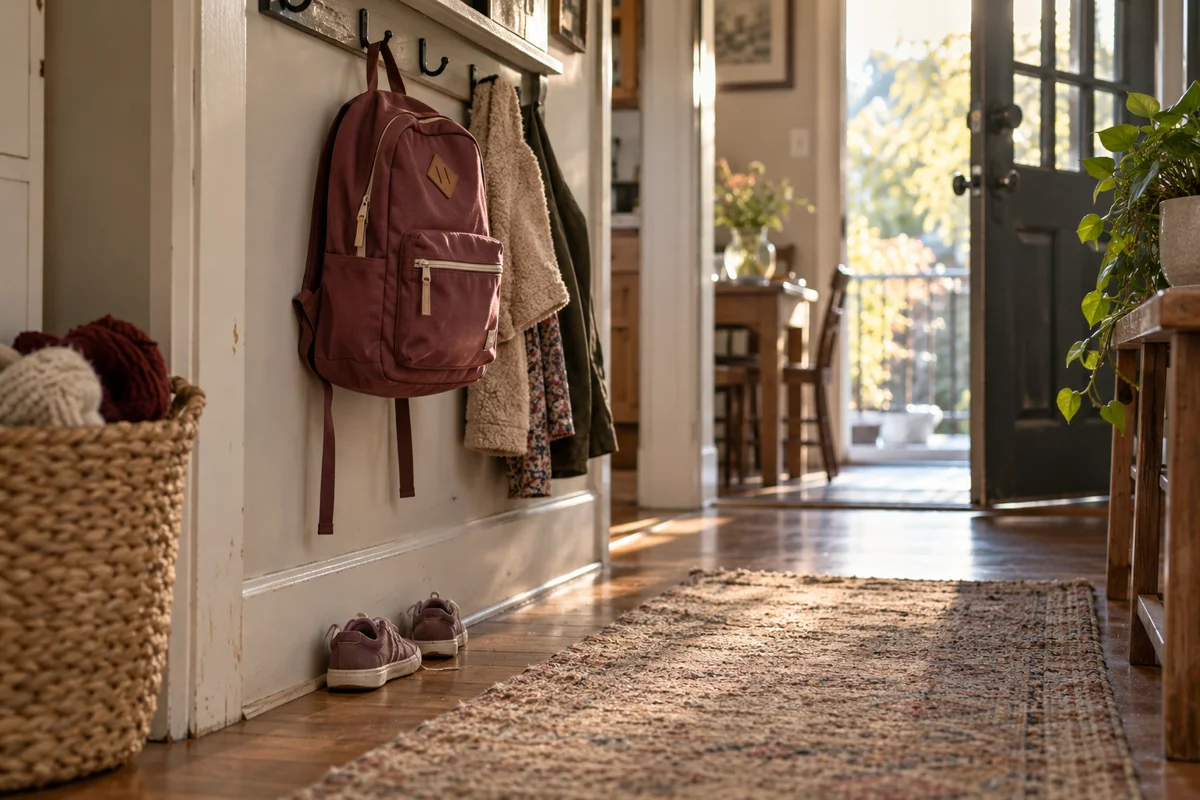
A full rehearsal can become exhausting. Instead, practice small parts: putting on the school shoes, carrying the backpack to the door, walking to the bus stop, opening the lunch container, or completing the first two steps of the morning routine.
Keep early practices brief and successful. Reinforce the part you are building. Then stop before the child is completely finished with the idea.
Make the routine visible
Some children benefit from a simple visual sequence, written checklist, timer, or first-then reminder. Use the fewest words and pictures that help your child understand what is happening.
A visual should make the day clearer, not become another complicated system for the parent to maintain. If three photographs on the refrigerator work, you do not need a laminated twenty-step schedule.
Plan for what happens after school
Children may use significant energy managing noise, social expectations, transitions, and demands during school. The behavior you see after school may reflect fatigue, hunger, sensory overload, or the effort of holding it together all day.
A predictable landing routine can help: snack, quiet time, movement, a preferred activity, or reduced conversation before homework and evening responsibilities. Regulation is not a reward for surviving school. It is a need worth planning for.
Reinforce flexibility without demanding perfection
Notice small wins: getting out the door with one reminder instead of four, tolerating a different shirt, walking into the building, or recovering more quickly after a hard transition.
If the morning falls apart, look for the point where support arrived too late or the expectation grew too quickly. Adjust the plan instead of deciding the child is refusing the whole routine.
- Which two parts of the school day are most likely to be difficult?
- What can we practice before the first day?
- What information does the school team need?
- What will help my child recover after school?
- What is our backup plan for a very hard morning?
This article provides general educational information and is not a substitute for individualized clinical or medical advice.