
Watch one morning before redesigning it
Notice where time is lost and where prompting increases. The hardest step may not be getting dressed. It may be choosing clothes, finding a missing sock, leaving the tablet, or moving from breakfast to the bathroom.
Fixing the environment can be more effective than repeatedly correcting the child. Put needed items in consistent places and prepare what can be prepared the night before.
Make the sequence visible
Use a short checklist, photographs, objects, or written steps based on your child’s understanding. The routine should show what is happening now and what comes next.
Avoid creating a visual with every possible detail. Start with the points where your child truly needs information.
Use fewer prompts more intentionally
Repeated reminders can become background noise. Give the direction, allow time to respond, and use the level of support the child needs before the morning becomes urgent.
As a skill improves, fade help gradually. Independence does not grow when adults wait until they are frustrated and then complete the entire task for the child.
Build reinforcement into the morning
The routine should contain reasons to keep moving. This may be choosing breakfast, selecting the car music, having a brief preferred activity after getting ready, or simply receiving warm, specific attention for independent steps.
Keep the contingency honest and possible. If there is not enough time for ten minutes of play, do not promise it.
Choose one independence goal
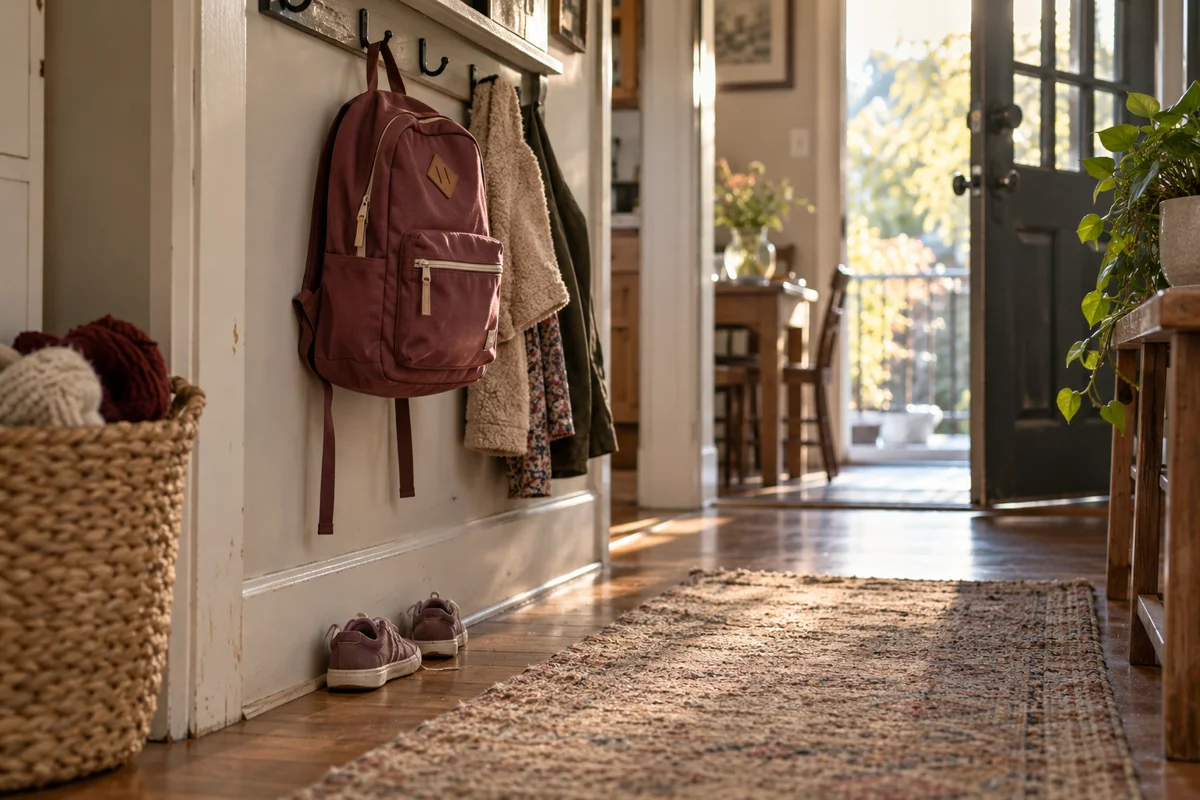
A child may still need substantial help with the routine while learning one step independently. Choose a goal that is useful and teachable, such as putting on shoes, bringing the backpack to the door, or checking off the first two steps.
Once that step becomes steady, choose the next. A routine becomes independent through many supported repetitions, not one morning of refusing to help.
- Where does the morning first slow down?
- What can be prepared the night before?
- Which visual format does my child understand?
- What is one step we can teach toward independence?
- What is our backup plan when the morning starts late?
This article provides general educational information and is not a substitute for individualized clinical or medical advice.