
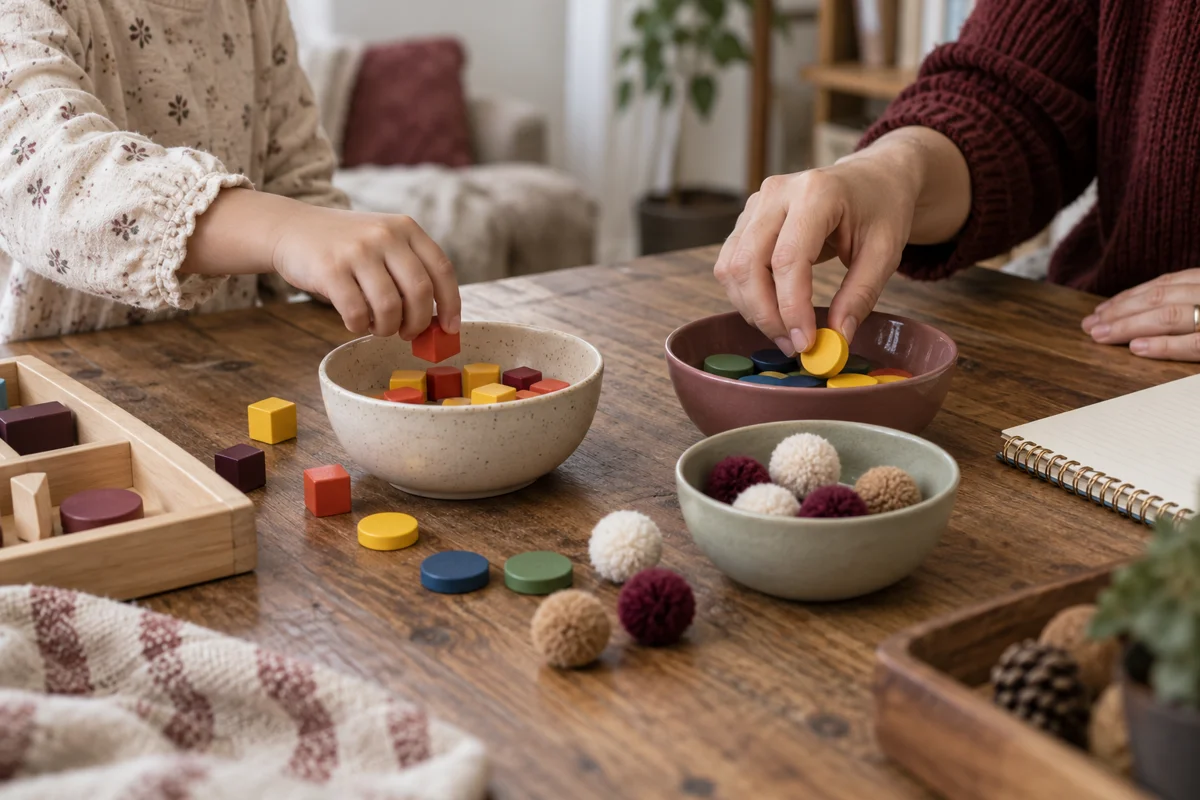
Strengths show us where learning can begin
Interests, routines, memory, movement, visual skills, humor, persistence, and favorite topics all offer information about how a child engages with the world.
A strength-based plan does not ignore areas of need. It uses what is already working to create access to new learning. A child who loves letters may practice flexible play through letter games. A child who seeks movement may build communication and turn-taking during active routines.
Motivation changes across the day
The value of an activity can rise when it has not been available and fall after the child has had plenty of it. Attention may be especially valuable when a parent has been busy. Escape may become more valuable when a task is difficult or the environment is overwhelming.
This does not mean every behavior is calculated. It means context changes what is worth working for, asking for, or getting away from. Noticing that context helps the team teach more intelligently.
Create reasons to communicate without creating distress
A clinician might pause a favorite activity, offer a small portion, place a needed piece in view, or wait before helping. These moments create a natural reason for the child to communicate.
The opportunity should be manageable. Basic needs, comfort, and emotional safety are never teaching tools to withhold. If the child becomes distressed, the team should support communication and reconsider whether the opportunity was arranged well.
Use the outcome the child actually wanted
If a child asks to continue a song, the most natural reinforcement is continuing the song. If they ask for help opening a container, help opens the container. If they request space, the response should meaningfully address that request when it is safe to do so.
Natural consequences make communication clearer because the result matches the message. They also help skills transfer beyond formal therapy.
Avoid turning every interest into work
A favorite activity can support learning, but the child also deserves to enjoy interests without constant demands. If every preferred toy becomes a lesson, the activity may lose value and the relationship may begin to feel transactional.
Good teaching protects time for shared enjoyment, independent play, and simple connection. Not every moment needs data attached to it.
Broaden motivation gradually
The goal is not to depend forever on one snack, video, or toy. Pair new activities with familiar interests, reinforce small approaches, vary materials, and let positive relationships become part of what makes learning worthwhile.
A broader range of interests gives the child more ways to participate and more ways for the team to teach without overusing any one reinforcer.
- What is my child choosing today?
- What changed before motivation dropped?
- Is the task worth the effort being asked?
- Does the consequence match what my child communicated?
- Are we protecting time when my child can simply enjoy this interest?
This article provides general educational information and is not a substitute for individualized clinical or medical advice.